Skeleton Watches: How They’ve Evolved and Why They’re Now More Affordable
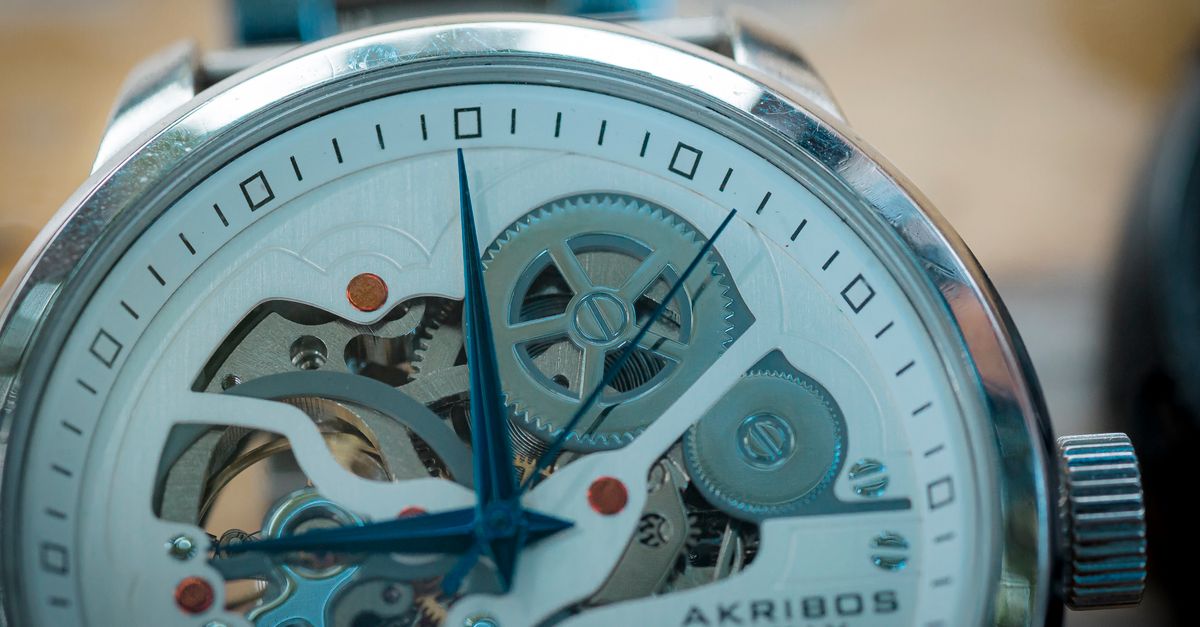
Photo by 🇻🇳🇻🇳Nguyễn Tiến Thịnh 🇻🇳🇻🇳 on Pexels
The Evolution of Skeleton Watches
Skeleton watches have become a familiar sight on many collectors’ wrists, offering a view of the movement for a price that often surprises. The core allure remains unchanged: the visual drama of exposed gears and bridges, stripped to their essential lines. What has shifted, however, are the techniques used to achieve that transparency, the time required for production, and the level of finishing applied.
Traditional Hand‑Crafted Skeletonisation
In classic approaches, watchmakers start with an existing calibre and manually remove excess metal from the base plate and bridges. Skilled artisans carve openings, thin components, and balance the interplay of solid metal and voids while preserving the rigidity needed for accurate operation. Each cut creates new edges that must be smoothed, polished, and sometimes adorned with intricate engravings that historically gave these pieces a lace‑like appearance. The subtraction of material multiplies the amount of hand work involved.
A contemporary example of this heritage is the Extra Plat Rose Gold Skeleton by Daniel Roth. Built on the DR002SR calibre with gold‑plated bridges and plate, the model relies heavily on manual finishing of internal angles, demonstrating how modern design can still depend on traditional handcraft.
Design‑From‑The‑Ground‑Up Skeletons
Industrial production often adopts a different route: the movement is conceived as a skeleton from the outset. Computer‑numerical‑control (CNC) machines cut the intended openings directly during manufacturing, producing components that already possess the desired geometry. While finishing, assembly, regulation, and quality checks remain essential, the need for an artisan to hollow out each bridge disappears.
The distinction is not simply “hand‑made vs. machine‑made.” It lies in which steps are automated, which still demand individual attention, and how much time is allocated to each. Even high‑end brands now blend modern technology with bench work.
Why Prices Have Dropped
Automation and scale drive affordability. Suppliers such as Swiss ETA and Japanese Miyota produce skeleton‑compatible movements that brands can adopt without the expense of developing a proprietary calibre. The case, dial, colour scheme, and strap then define the watch’s personality, while the underlying movement benefits from mass‑production efficiencies.
Illustrative Models on the Market
- Bulova Octagon Prestige Automatic – A 42 mm octagonal steel case frames a perforated dial available in icy blue, salmon, or gold‑tone white. It houses Miyota’s 8N24 automatic movement (21 600 vph, 42 hours power reserve) behind sapphire crystal, water‑resistant to 10 bar, and retails for about €500.
- D1 Milano Skeleton White Sketch – This piece overlays a white Cerakote‑finished steel case and bracelet with black sketch‑like lines that echo hand‑drawn illustrations. Inside sits the Time Module NH70L automatic (21 600 vph, 41 hours reserve, 24 rubies) under anti‑reflective sapphire. It measures 40.5 mm and is priced around €725.
- Versace Millenyium Automatic Skeleton – Featuring a 40 mm steel case with a black open‑dial, the watch displays the brand’s iconic Medusa at 12 o’clock and Greca motifs on the bezel and bracelet. The Landeron 24 Skeleton automatic (28 800 vph, 40 hours reserve, 25 rubies) powers it, and the price sits near €2 660, reflecting Swiss‑made movement costs and brand premium.
- Tissot PRX Skeleton Damian Lillard Special Edition – A 44 mm steel case, 11.2 mm thick, pairs with a manual‑wind ETA 6497‑1 skeleton (18 000 vph, 17 rubies, 52 hours reserve). Unique bordeaux accents on the dial and two straps (rubber and leather) reference the artist’s moniker. With a transparent case‑back displaying the signature, the watch is offered at €1 895 and includes a leather pouch that doubles as a pocket.
Choosing the Right Skeleton Watch
Before purchasing, it is crucial to differentiate a true skeleton movement from a simple open‑heart dial or a merely perforated face. Open‑heart designs expose only the balance wheel area, while skeleton watches reveal much of the gear train.
Collectors should examine the quality of finishing: clean, uniform edges; consistent surface treatment; and the relationship between dial openings and the underlying architecture. Legibility is often a challenge; hands and hour markers must stand out against a busier background to remain readable at a glance.
The growing availability of skeleton watches means that enthusiasts can now experience the thrill of seeing a movement’s “bones” without exceeding modest budgets. Whether you favour a hand‑finished masterpiece or a machine‑engineered piece, the market offers options that balance aesthetics, craftsmanship, and price.
Take the first step towards securing your passion for luxury watches today, get the TrustWatch (https://www.hokentech.tech/trustwatch) system now and join a community of discerning collectors who prioritize authenticity and expertise. With TrustWatch, you’ll have the power of AI-driven authentication at your fingertips, ensuring that every watch in your collection is genuinely what it claims to be. Don’t let the fear of counterfeits hold you back — embrace the future of watch authentication and elevate your collecting experience.


Comments
Post a Comment